

In 1879, the first lamp lit by Edison continued to illuminate for 40 hours, and now there are more than 5 billion intelligent lighting devices in the world, and the meaning of light has long surpassed "lighting" itself.
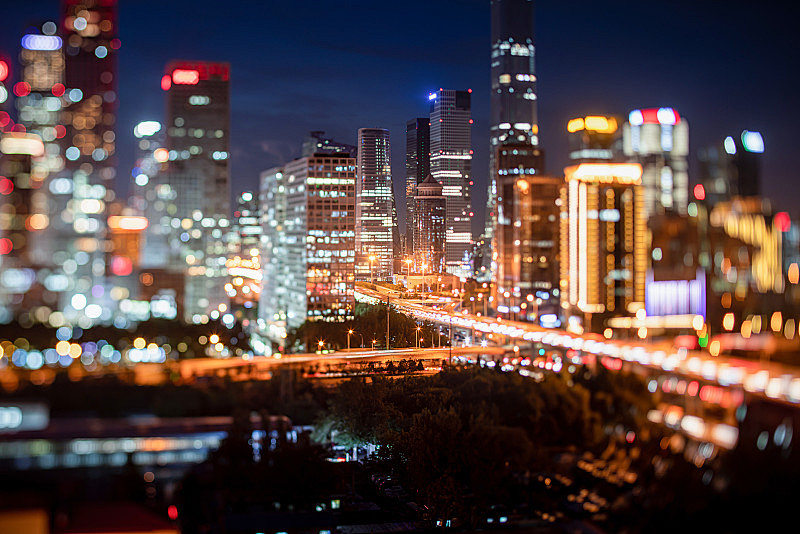
In the past, the traditional lighting power supply system only undertook the basic function of "power supply-luminosity", but in modern cities, the lighting system has become an important yardstick to measure the effectiveness of refined management, green development and humanistic care. The smart lighting power supply system is reshaping the logic of light with an integrated, intelligent and collaborative attitude, which makes each light a node of urban perception and allows each beam of light to carry data and temperature. This is not only the conversion of electricity and light, but also the system's understanding of the environment and the city's warm response to people.
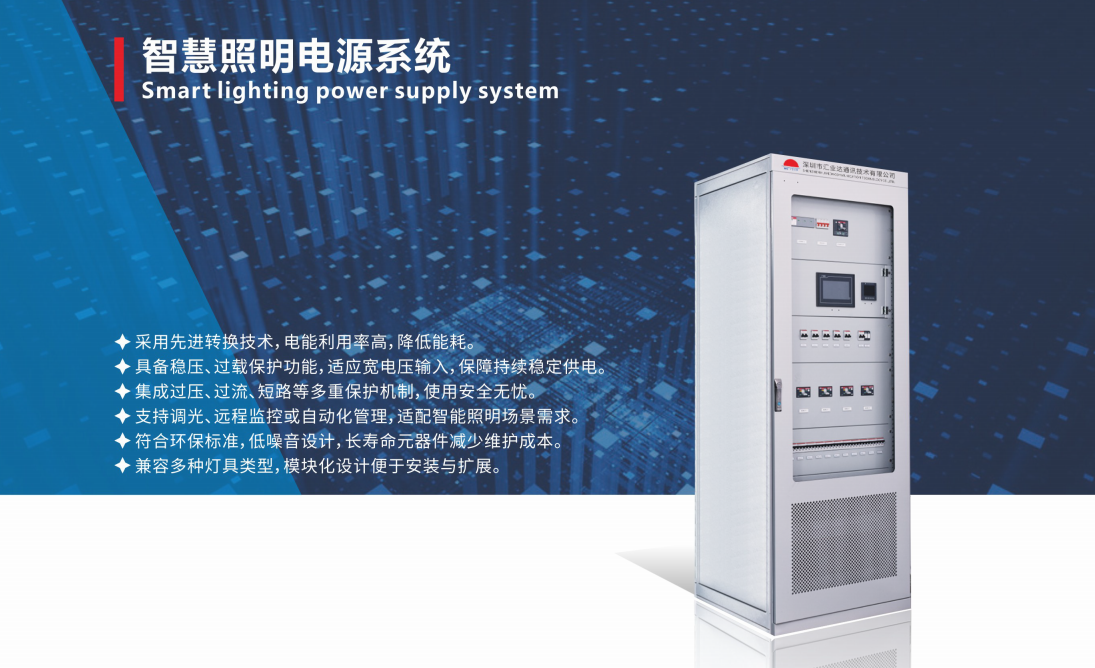
The smart lighting power system brings lighting solutions that can be understood, predicted, and create value. It redefines the boundaries of lighting through five dimensions:
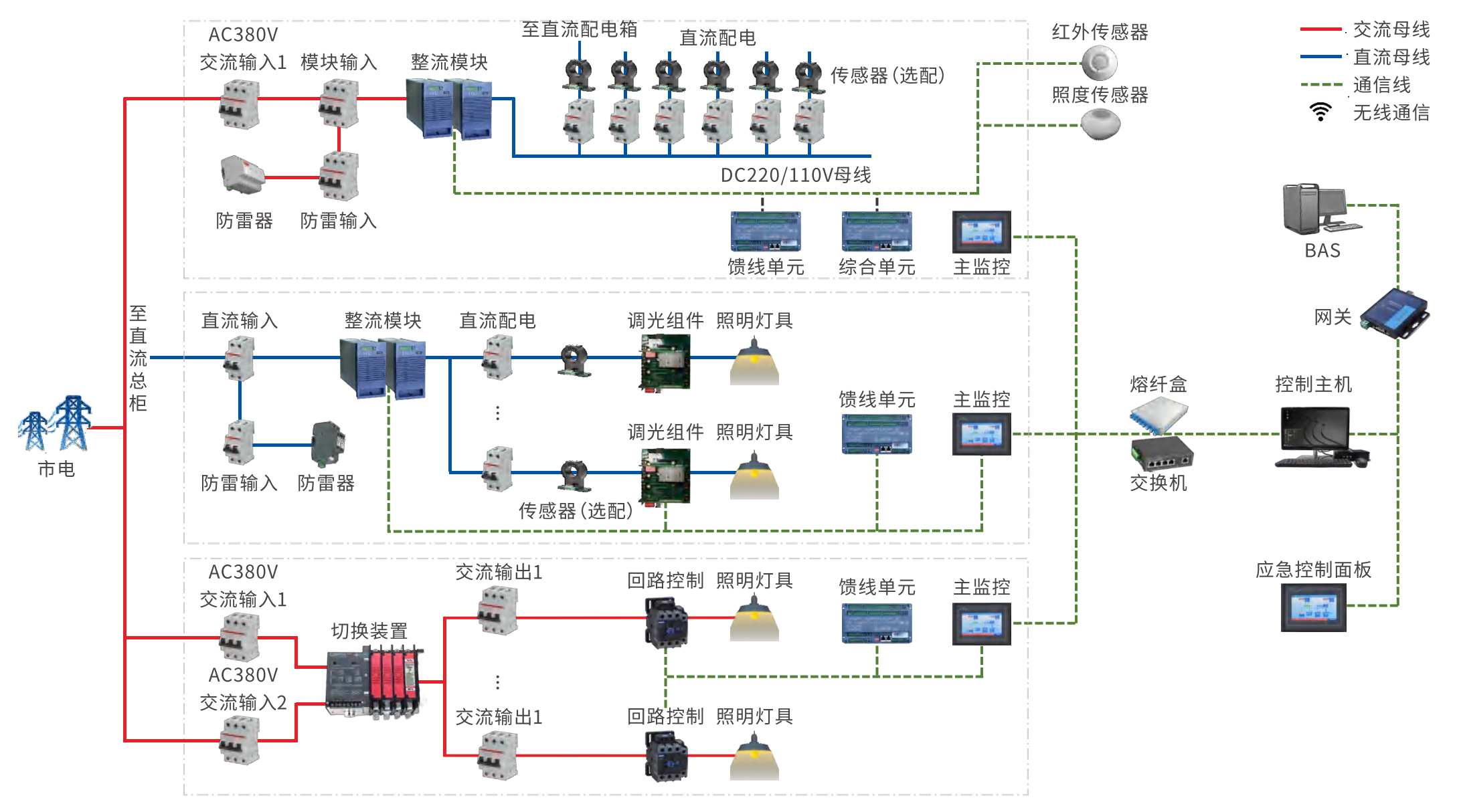
Topology diagram of Huiye Da smart lighting power supply system
Efficient and energy-saving stable operation in all scenarios
It adopts advanced power conversion topology to achieve high efficiency and energy saving. It has a wide voltage input and precise voltage regulation capability to ensure continuous output of pure and stable power under mains power fluctuations.
Multiple circuit protection and safety design
It integrates multiple hardware protection mechanisms such as over-voltage, over-current, short circuit, and over-temperature, and is designed to meet strict safety regulations and electromagnetic compatibility standards, providing all-round security for the system and load.
Deeply integrated intelligent control and management
Embedded intelligent control interface, support grouping and scenario strategy, and seamlessly connect to the Internet of Things (IoT) and building automation platform to achieve remote monitoring, energy efficiency management and automated control.
High compatibility and modular expansion
It adopts modular design, supports plug-and-play and smooth expansion, is easy to install and maintain, and perfectly adapts to the phased construction and upgrade needs of the project.
Green and long-lasting
The selection of industrial-grade long-life components, combined with excellent heat dissipation and low noise design, significantly improves product reliability and environmental friendliness, meets green building standards and reduces the cost of the whole life cycle.
Not only that, the system innovatively adopts PLC-IoT (Power Line Carrier Internet of Things) technology, which reuses AC/DC lines to achieve both power supply and communication, so that each lamp becomes a mesh network node. Our measured data shows that this architecture reduces wiring costs by 40% and achieves 99.95% node access stability, providing a reliable neural network for light "thinking".
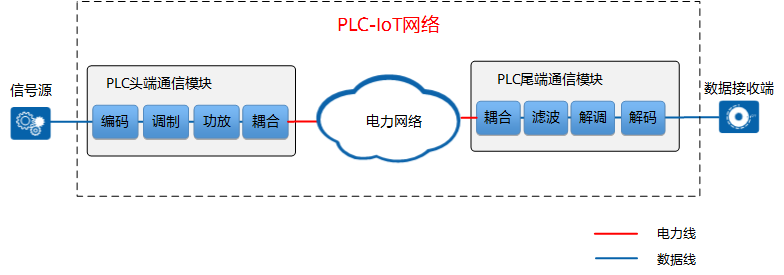
The key breakthrough of PLC-IoT technology is that it integrates the "power supply network" and "data network". This invisible data highway makes every light a smart node in the network without the need for additional wiring. Self-organized mesh network between nodes forms strong redundancy: even if there is a single point of failure, information can be reliably transmitted through other paths, ensuring efficient and stable operation of the system 24 hours a day.
The revolutionary changes brought about by this architecture are directly reflected in the leap in operation efficiency. The system realizes fully automated control, and once a potential safety hazard or equipment failure is found, the management platform can accurately locate, intelligently diagnose and automatically generate a disposal work order as soon as possible. Operation and maintenance personnel no longer need to be tired of inspection, but can directly hit the core of the problem according to system instructions, which greatly shortens the troubleshooting processing time and improves manual operation and maintenance efficiency by more than 50%. From "people looking for faults" to "telling people about faults", smart lighting systems have completely reconstructed the value stream of operation and maintenance.
Smart lighting systems provide unprecedented refinement capabilities for urban management. Through real-time data collection and analysis, managers can accurately understand the lighting needs of each area and time period.
From urban arteries to community alleys, from commercial districts to industrial parks, we will achieve differentiated lighting strategies, dynamic brightness adjustment, and scene-based light environment creation, so that urban lighting can truly serve people's needs and the goals of urban development.
Reduced Energy Consumption: Significantly reduces energy consumption and carbon emissions compared to traditional lighting systems, helping to achieve carbon neutrality goals.
Fault warning: Significantly reduce equipment failure rates and improve system stability and reliability through predictive maintenance.
O&M costs: Remote monitoring and intelligent diagnostics reduce manual inspections, significantly reducing O&M costs and workload.
24/7 Real-Time Monitoring: Monitor equipment status and environmental changes in real-time around the clock, ensuring continuous and stable lighting services.
Municipal road lighting: the "silent escort" of urban operation
This is the largest and most robust scenario. The core of wisdom lies in "large-scale, low-cost, high-reliability" management.
A stable and reliable intelligent single lamp controller + a simple and efficient cloud management platform. Its priority is to be a good street lamp that is "always on, always power-saving".
Industrial Lighting: The Guardian of Safe Production
Industrial scenarios have strict requirements for reliability and safety, and lighting is an important guarantee for production efficiency and safety.
A rugged and anti-interference industrial-grade intelligent lighting control system that emphasizes the stability and fast response of the local network and can be limited to industrial systems such as PLCs. Its core value is to ensure safe production and directly translate it into profit through energy saving.
Rail Lighting: The guide to efficient operation
Covering subway stations, high-speed rail stations, tunnels, etc., it is characterized by dense crowds, complex space, large differentiation of lighting needs in various regions, and 24-hour uninterrupted operation.
A dedicated lighting management subsystem that is deeply integrated with the Rail Transit Integrated Monitoring System (ISCS) and has the highest reliability and redundancy design can intelligently link train schedules and passenger flow sensors to automatically implement precise scene strategies such as "the lights are on when the train is on and the lights are dimmed", and can quickly switch the emergency lighting mode and dynamically guide the evacuation in case of emergency. Its primary mission is to ensure the absolute reliability of public safety and operation of large passenger flows, and to realize the predictive and comprehensive digitalization of operation and maintenance while ensuring operational safety.
The success of the smart lighting power system does not lie in the "depth" of the technology, but in the control of the demand of the scene, so as to formulate the most suitable solution to meet the application.
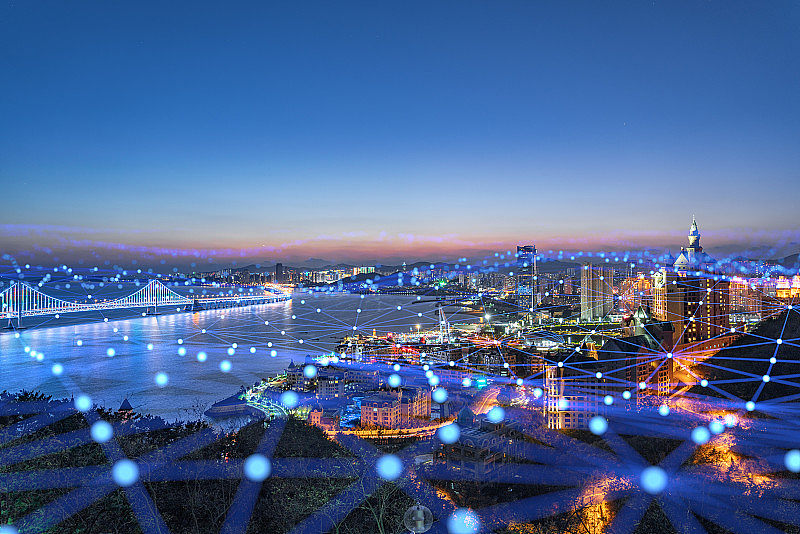
The smart lighting power system is not a cool lighting effect that is the "icing on the cake", but a "three-in-one ledger" hidden in the ceiling, street lamp poles, and track grooves - it calculates energy, protects safety, and verifies carbon emissions. Its real value lies in redefining technology with scenario needs, creating real returns with technology adaptation, from urban governance to people's livelihood services, from energy conservation and cost reduction to green and low-carbon, so that managers can focus on goals rather than operation and maintenance, so that citizens can enjoy services without feeling technology, and only respond silently with just the right light when needed.
Address: Building C, Haixinguang High-tech Industrial Park, at the intersection of Fengxin Road and Zhenmei Avenue, Guangming New District, Shenzhen City

Please fill in the form below and we will contact you as soon as possible after receiving your information. If you have any questions, please call us.